PALS Initial Certification for Healthcare Providers
Enroll in PALS Initial Certification with CPR & BLS Training Institute if your clinical role requires you to assess and manage serious pediatric emergencies. This instructor-led American Heart Association (AHA) provider course is designed for healthcare professionals who need their first PALS course completion card or a comprehensive return to pediatric advanced life support training.
You will work through pediatric assessment, respiratory emergencies, shock, arrhythmias, and resuscitation in a classroom environment with an instructor, practical learning stations, and simulated clinical cases. Review the course requirements before selecting your session.
Course at a Glance
Format
Instructor-led classroom training with hands-on practice and testing.
Who it serves
Healthcare providers involved in pediatric emergency or critical care.
Preparation
Mandatory PALS Precourse Self-Assessment; additional video lessons may be assigned.
Completion
AHA PALS Provider eCard, valid for two years, after all requirements are met.
Time
The AHA lists about 12 hours 30 minutes for its full course with video prework and breaks, or 17 hours 30 minutes for the traditional format. Confirm the institute's specific schedule before booking.
Who Should Choose the Initial PALS Course?
The initial course is appropriate for physicians, nurses, paramedics, respiratory therapists, and other healthcare professionals who participate in emergency response involving infants and children. It is particularly relevant to staff in emergency departments, pediatric intensive care, hospital response teams, and comparable settings.
You do not need a previous PALS card to take the initial course. You should, however, arrive comfortable with infant and child BLS, rhythm recognition, airway equipment, and the medications used in pediatric algorithms. The institute currently requests a valid BLS card for its PALS students. If you are unsure whether your background meets the expectations, contact the training team before enrolling.
Skills and Clinical Topics Covered
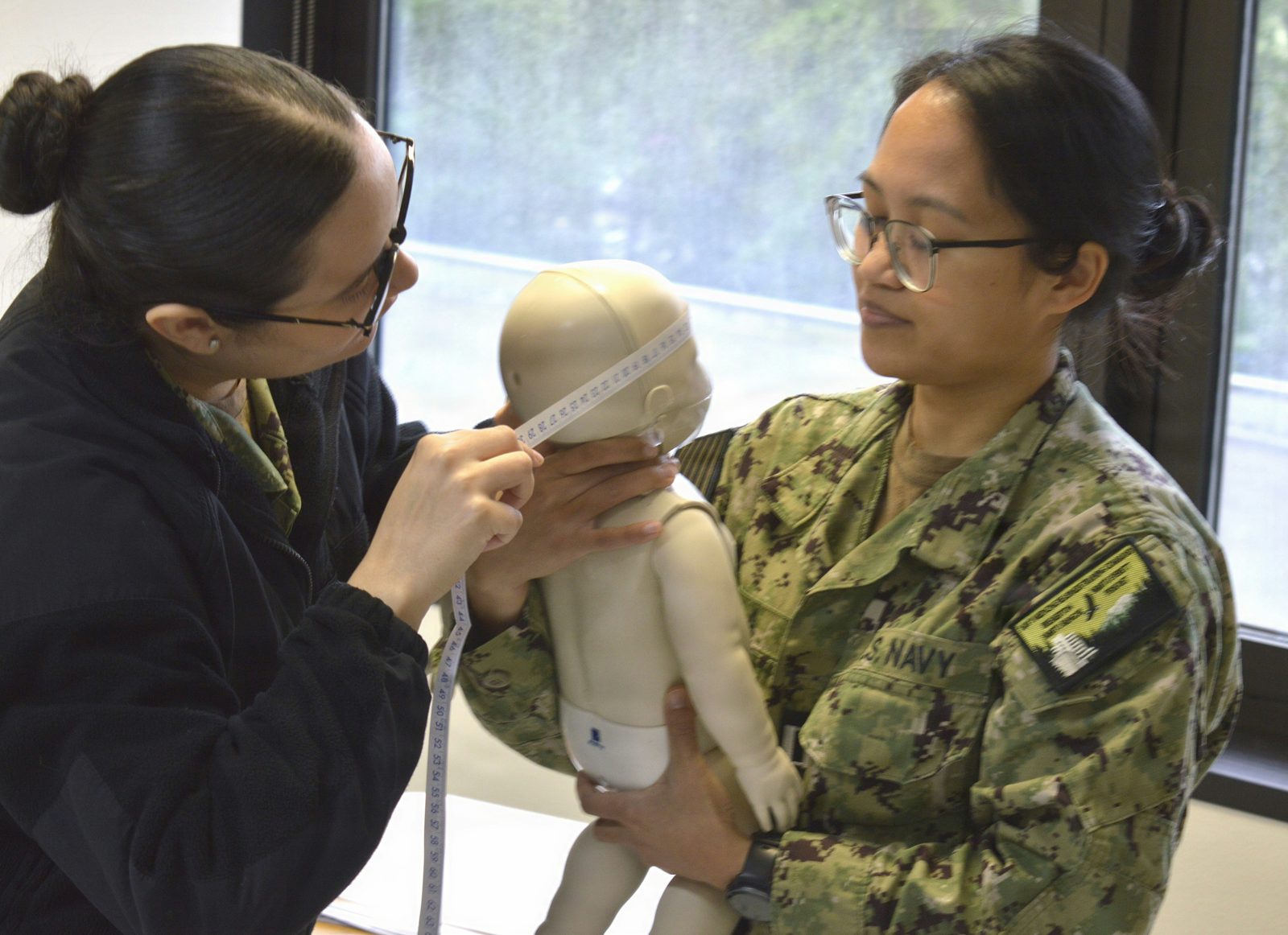
Rather than memorizing algorithms in isolation, you will practice applying them to changing pediatric patient findings. Core learning areas include:
Clinical videos, instructor coaching, and case discussions connect these topics to decisions healthcare teams make under pressure.
- Systematic pediatric assessment and the evaluate-identify-intervene approach.
- Recognizing respiratory distress and failure; supporting ventilation and airway management.
- Identifying shock and responding to signs of poor perfusion.
- Recognizing rhythm disturbances, selecting appropriate interventions, and understanding electrical therapy.
- Performing high-quality infant and child CPR, using an AED, and working within resuscitation teams.
- Managing cardiac arrest scenarios and the immediate priorities of post-arrest care.

How Your Classroom Training Works
Before class, complete the online Precourse Self-Assessment and review the required 2025 PALS Provider Manual. The assessment covers rhythm recognition, pharmacology, and practical application; the AHA requires a score of at least 70% and a printed successful scoring report. Depending on the scheduled classroom format, you may also complete interactive video prework and bring proof of completion.
During class, an instructor guides discussions and practical stations, including pediatric CPR, ventilation, airway management, and team-based case scenarios. Learners receive opportunities to practice before being evaluated. Plan for the complete scheduled session rather than assuming the course is only a short skills check.
For registration details and the required preclass materials, see the institute’s PALS course overview or contact the team directly.
Before your session, check which course package is included in the registration fee and whether you need to obtain your own current PALS provider manual before attending the scheduled classroom session. Ask where to access the self-assessment, what proof of completion to bring, and when the training begins and ends. The initial classroom course takes substantial preparation, so reviewing pediatric rhythms, respiratory assessment, airway equipment, and emergency medication principles ahead of time will help you participate in the hands-on stations. If a particular employer requires an AHA eCard, confirm that you are booking the provider course rather than a general pediatric CPR class.
Testing, eCard, and Next Steps
Successful completion requires participation in learning stations, passing child and infant BLS skills tests, and passing two PALS core case assessments. The AHA also requires at least 84% on the open-resource written examination. A course completion eCard is issued once the required cognitive and hands-on evaluations are passed; it remains valid for two years.
CPR & BLS Training Institute provides instructor-led PALS training for healthcare professionals in the Greater Philadelphia area, including learners from Bucks County, Montgomery County, and nearby New Jersey communities. Check the available PALS classroom option and ask about dates, materials, and registration before making your plans.
Frequently Asked Questions
Can I take the initial PALS course without previous PALS certification?
Yes. This pathway is intended for eligible healthcare professionals who have not completed PALS before. You should already understand infant and child BLS and basic clinical concepts. The institute asks students to have a current BLS card, so confirm your documentation when booking.
Do I need to complete HeartCode PALS online first?
No. HeartCode PALS is a separate blended-learning pathway. An instructor-led classroom course has its own preparation process, including the mandatory Precourse Self-Assessment. Some classroom schedules also require video prework, which the institute should specify before class.
How long is PALS Initial Certification?
According to the AHA, the full instructor-led format is approximately 12 hours 30 minutes including breaks when video prework is used. A traditional format takes longer. Your actual timetable depends on the classroom arrangement, so verify the advertised schedule with the institute.
Is this training intended for parents and caregivers?
No. PALS is an advanced provider course for healthcare professionals managing pediatric emergencies. Parents, teachers, and caregivers generally need a pediatric first aid, CPR, and AED course instead, rather than the provider-level PALS curriculum.
How long will the PALS eCard remain valid?
The AHA PALS Provider Course Completion eCard is valid for two years after successful completion of the required written and practical assessments. Check the renewal date shown on your issued eCard and arrange refresher training before it expires.