HOME – COurses – PALS
Pediatric Advanced Life Support (PALS)
The PALS Provider Course is a pediatric life support certification that’s designed to enhance pediatric patient outcomes by preparing healthcare workers to recognize and intervene successfully in children with respiratory crises, shock, and cardiopulmonary arrest using high-performance team dynamics and high-quality individual skills.
Who should take this course?
Online PALS certification courses are meant to teach and review the lifesaving skills required of healthcare personnel who respond to situations involving infants and children. Personnel in emergency response, emergency medicine, intensive care, and critical care units, as well as physicians, nurses, paramedics, and others, who require a PALS course completion card for job or other purposes.
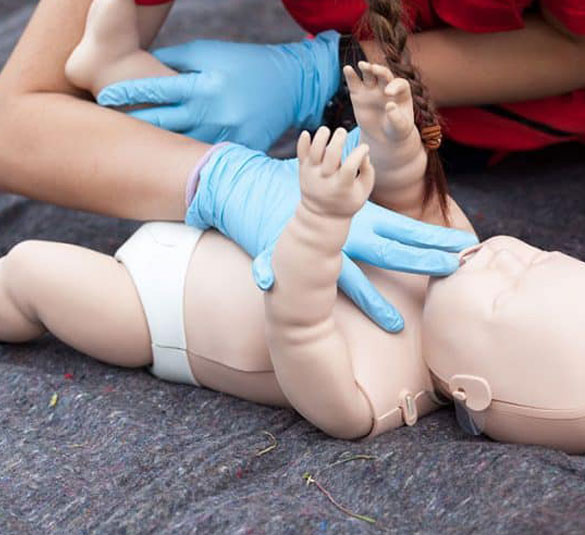
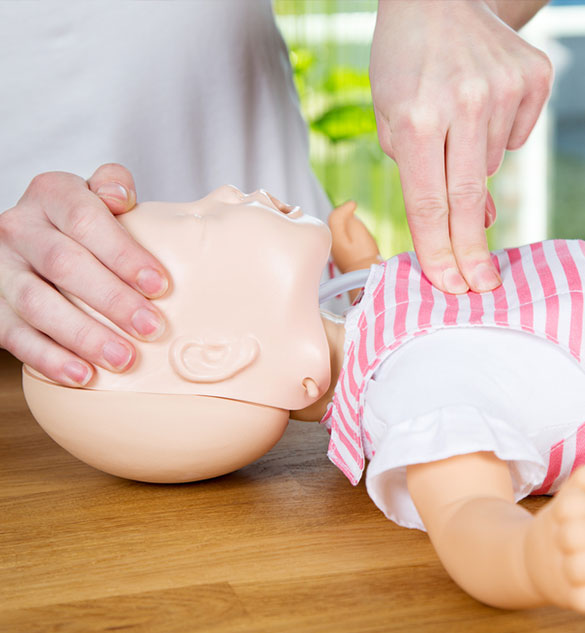
What does this course teach?
- How to perform AHA recommended high‐quality cardiopulmonary resuscitation(CPR)
- Recognize who need immediate interventions
- Recognize cardiopulmonary arrest early and begin CPR within 10 seconds
- Apply team dynamics
- Differentiate between respiratory distress and failure
- Perform early interventions for respiratory distress and failure
- Differentiate between compensated and decompensated (hypotensive) shock
- Perform early interventions for the treatment of shock
- Differentiate between unstable and stable patients with arrhythmias
- Describe clinical characteristics of instability in patients with arrhythmias
- Implement post–cardiac arrest management
PALS Course Pre-Requisite
- Prior attending the course, each participant is expected to have read the content in the 2020 PALS Course Provider Manual.
- It is MANDATORY that you complete the Precourse Self-Assessment & Precourse Work HERE and identify any knowledge gaps, which you may fill by studying the relevant subject in the PALS Provider Manual or any supplementary resources.
- Participants in the course must have a basic understanding of the material and be able to interact with the instructor and other students. In most circumstances, no time will be spent during the training on rhythm interpretation skills and/or pharmacology. Prior to attending the course, you should examine this information.
- PALS participants must have a current Basic Life Support card. Throughout the course, participants will be asked to demonstrate proficiency in BLS CPR skills.
NOTE: For admission to the course, you must bring a printed copy of the completed Precourse Self-Assessment as well as the Precourse Work certificate.
Completion with Flying Colors
- Perform high‐quality cardiopulmonary resuscitation (CPR) per American Heart Association (AHA) basic life support (BLS) recommendations
- Differentiate between patients who do and do not require immediate intervention
- Recognize cardiopulmonary arrest early and begin CPR within 10 seconds
- Apply team dynamics
- Differentiate between respiratory distress and failure
- Perform early interventions for respiratory distress and failure
- Differentiate between compensated and decompensated (hypotensive) shock
- Perform early interventions for the treatment of shock
- Differentiate between unstable and stable patients with arrhythmias
- Describe clinical characteristics of instability in patients with arrhythmias
- Implement post–cardiac arrest management
- Pass the open-book written exam with a minimum score of 84% Course.