A cardiac arrest is unpredictable, and the first few minutes often determine the outcome. While understanding CPR is important, responding effectively requires practical experience. CPR & AED training combines hands-on learning with expert guidance, helping you develop the confidence and skills needed to act decisively during a real emergency.
Why Hands-On CPR Training Is More Effective Than Watching Videos
Videos and demonstrations are valuable learning tools, but they cannot replace physical practice. Effective CPR requires the correct compression depth, rhythm, and body positioning. These are skills that improve through repetition, not observation.
Organizations like the American Heart Association emphasize the importance of high-quality chest compressions, making practical training an essential part of learning effective CPR techniques.
Real-Time Feedback Helps You Build Better Skills
Even small mistakes can reduce the effectiveness of CPR. During CPR and first aid training, certified instructors provide immediate feedback on compression depth, chest recoil, hand placement, and AED use.
Practicing with expert guidance allows you to correct errors before they become habits, helping you develop skills you can rely on in a real emergency.
Why Hands-On CPR Training Is More Effective Than Watching Videos
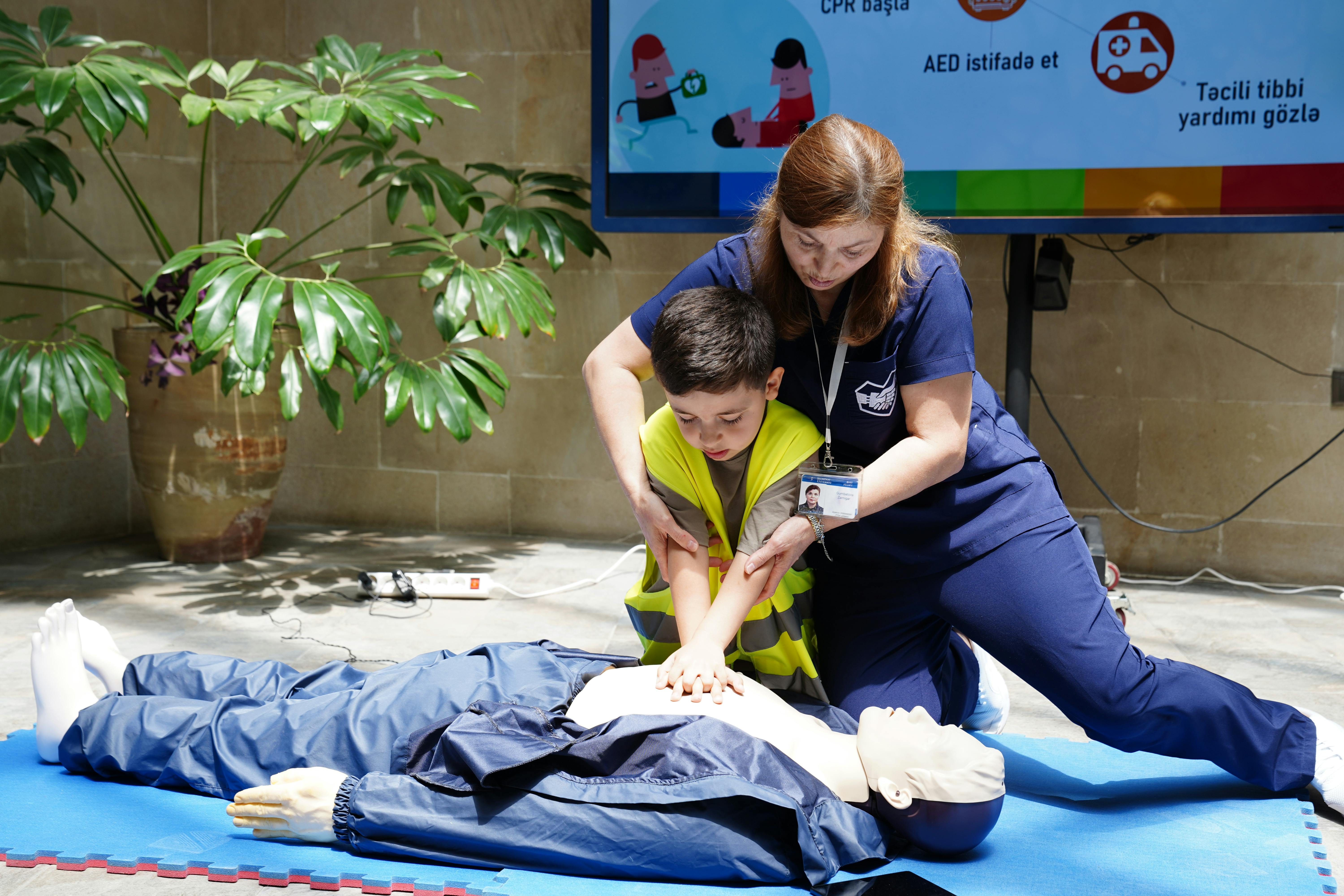
Videos and demonstrations are valuable learning tools, but they cannot replace physical practice. Effective CPR requires the correct compression depth, rhythm, and body positioning. These are skills that improve through repetition, not observation.
Organizations like the American Heart Association emphasize the importance of high-quality chest compressions, making practical training an essential part of learning effective CPR techniques.
Real-Time Feedback Helps You Build Better Skills
Even small mistakes can reduce the effectiveness of CPR. During CPR and first aid training, certified instructors provide immediate feedback on compression depth, chest recoil, hand placement, and AED use.
Practicing with expert guidance allows you to correct errors before they become habits, helping you develop skills you can rely on in a real emergency.
Confidence Can Save Valuable Time
One of the biggest barriers during an emergency is hesitation. People often know they should help but doubt their ability to do it correctly. Practical training replaces uncertainty with confidence, making it easier to step forward and act when immediate care is needed.
Most Cardiac Arrests Happen at Home
Many people assume CPR is a skill they’ll only need in public places or workplaces. In reality, most out-of-hospital cardiac arrests occur at home, meaning the person who needs help could be a family member, friend, or neighbor. According to the Centers for Disease Control and Prevention (CDC), more than 356,000 out-of-hospital cardiac arrests occur in the United States each year, making early bystander intervention critical.
Hands-on CPR practice prepares you to recognize an emergency, respond without hesitation, and provide effective care until emergency medical services arrive. When the person in need is someone you love, confidence gained through practical training becomes even more valuable.
Learn the Skills That Matter Most
Watching CPR is a good start, but practicing it is what prepares you to save a life. At CPR and BLS Training Institute, our CPR & AED training programs combine expert instruction with realistic, hands-on practice to help you earn your CPR and first aid certification. Explore our American Heart Association CPR class options and gain the confidence to respond when it matters most.